
Paper Ink Blog
Ready-Made vs Custom Thank-You Cards

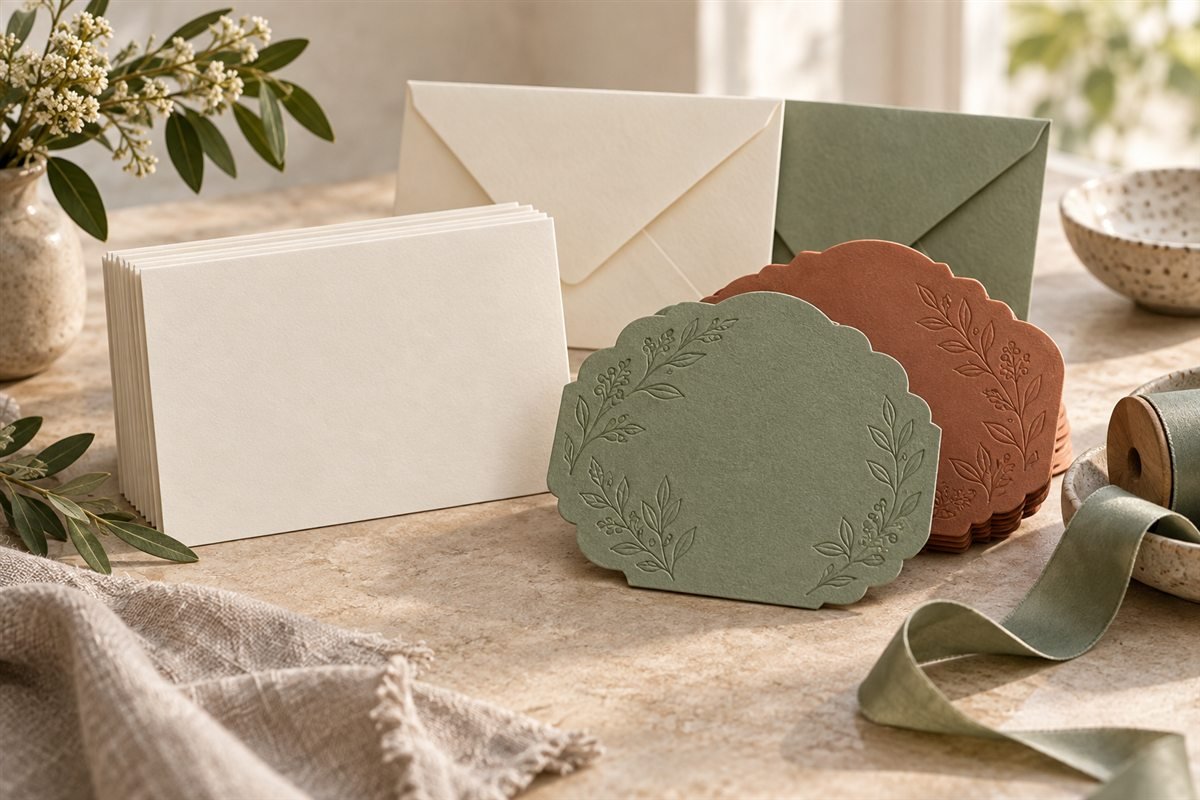
Custom thank-you cards work well when you want a consistent brand message across repeated orders. Ready-made cards can suit an urgent purchase or a small one-off gift. Compare total cost, usable quantity and the time available before choosing; neither option guarantees customer retention or a lower price in every situation.
When ready-made cards make sense
Choose stock cards when you need a simple message quickly and an available design suits the recipient. Check the dimensions and writing surface before buying. Ready-made card options can also help you test whether a card fits your packing routine before commissioning a design.
Allow time to add a personal note if that matters to the recipient. Retail availability still needs checking, and a generic card may need an extra sticker or insert to carry your contact information. Include those items and the time spent assembling them in your comparison.
When to choose custom thank-you cards
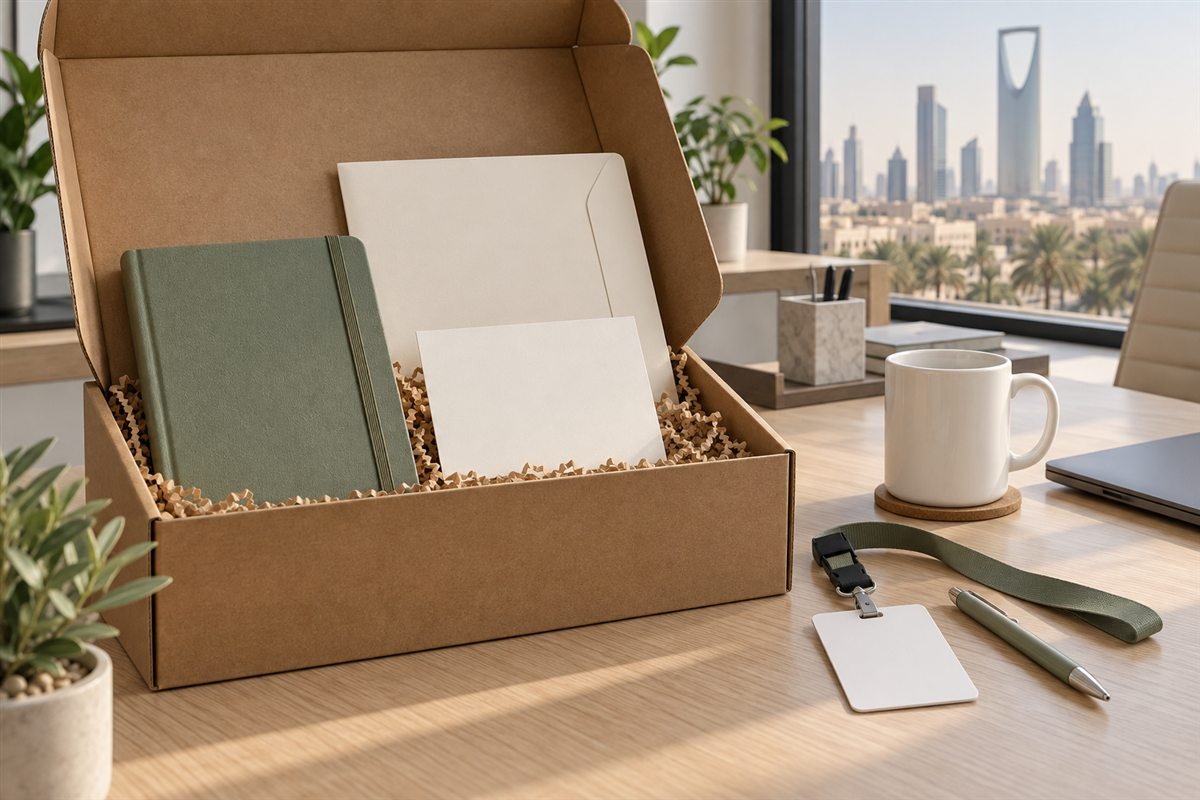
A custom design gives you control over layout, paper, message and finish. It is useful for repeat shipments, client gifts and consistent presentation across product lines. Review made-to-order cards alongside your packaging so the card fits the box and the unboxing sequence.
Request prices for two or three realistic quantities. A larger print run may reduce the unit price while increasing the total bill and storage needs. Avoid ordering months of dated promotional cards unless your forecast supports it. Confirm minimum quantities, variable-data options and turnaround with the supplier instead of assuming a market-wide rule.
Compare the full specification
Write down size, single- or double-sided print, paper stock, coating, quantity and delivery location. If you want a handwritten note, test a pen on the proposed finish. If the design includes a QR code, scan the printed proof on more than one phone and ensure its destination is useful to the customer.
For stickers used with the card, use the wholesale sticker pricing guide to compare material and finish. For a staff gift rather than a customer shipment, see the corporate welcome kit checklist. These choices change the required message and quantity.
Proof and order checklist
Approve spelling, contact details and both sides of the card at its actual size. Keep important text clear of trim lines. Check contrast and the smallest type, then place the sample inside a packed order. Ask whether the quote includes design work, proofs, packaging, delivery and any applicable tax.
Confirm trim size, bleed and safe text areas with your printer before approving artwork. Adobe’s guide to printer marks explains how trim and bleed boundaries support production. For paper sourcing, consult FSC’s paper and packaging guidance and ask for evidence for the actual stock ordered; a kraft appearance alone is not certification.
Questions before ordering custom thank-you cards
How much do they cost? The answer depends on your specification and quantity. Obtain a current written quote; a sample price without paper, finish and delivery details is not a reliable budget.
How long will printing take? Ask when production begins, whether stock is available and when delivery is expected after proof approval. Keep time for corrections before your event or dispatch date.
Can every card have a different name or code? Ask whether variable-data printing is available for your chosen format. Confirm the file template and approve a sample of the variable fields before the full run.
Once the specification is ready, request a detailed quote. For event orders, coordinate the cards with the peak-season packaging schedule so all pieces arrive in time for assembly.
Related reading: LumiPoster: Ready-Made Design or Your Own Photo? A Choice Guide
