
Paper Ink Blog
Die-Cut Vinyl Stickers vs Coated Paper vs Clear: Choosing the Right Die-Cut Sticker Material

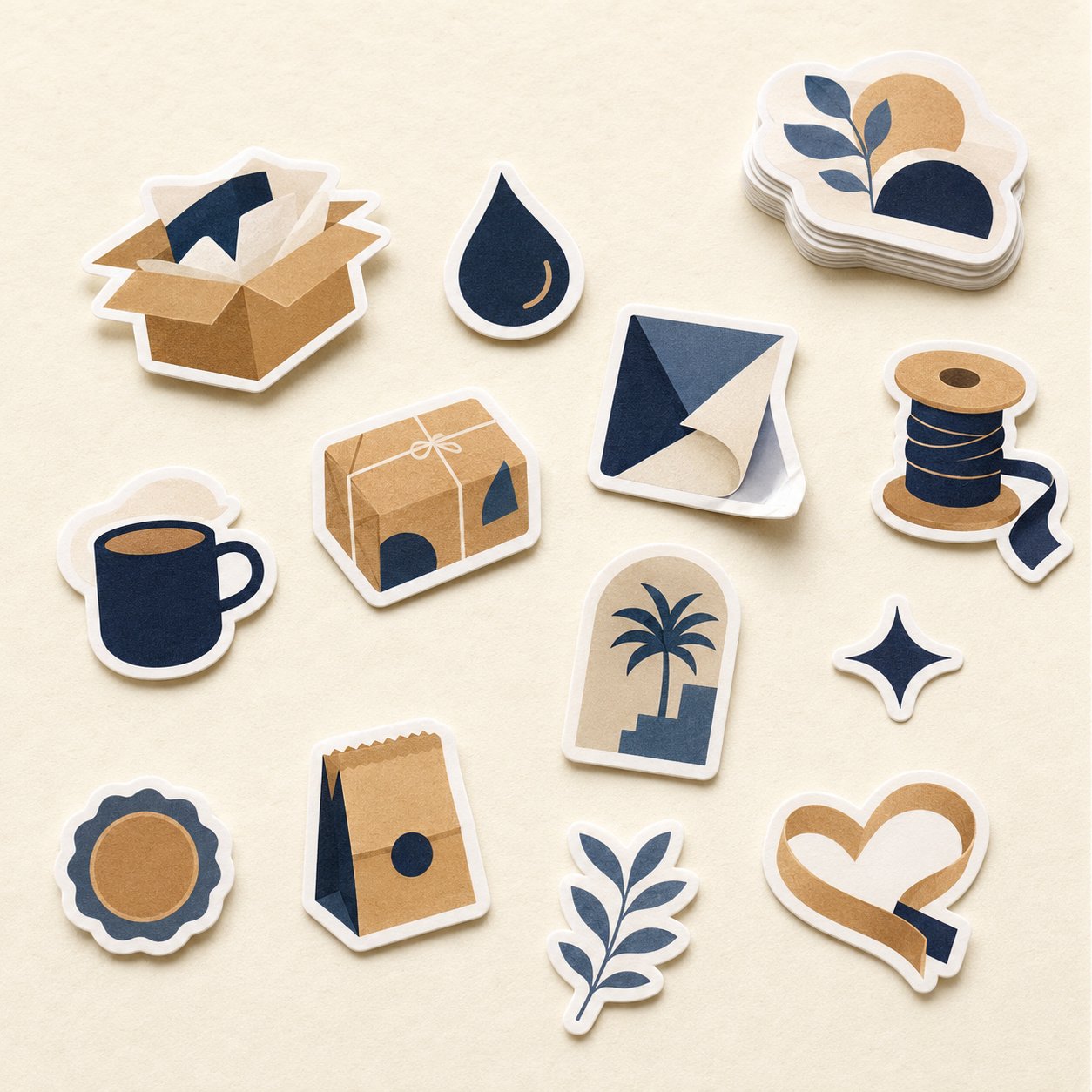
Die cut vinyl stickers are the safest choice when a custom-shaped sticker will face water, handling, curved surfaces or shipping heat. Coated paper works for short-lived indoor use and anything you want to write on, while clear film is the pick when your logo should look printed directly on the bottle or box. Surface, lifespan and edge detail decide.
Quick take
- Vinyl (plastic film) resists water, scuffs and bending, and keeps thin cut edges from lifting — best for boxes, bottles and laptops.
- Coated paper costs less and takes a pen, but humidity and handling wear down fine edges quickly.
- Clear film lets the surface show through, usually needs a white ink layer, and gives you more freedom with the cut line.
- Before ordering, pin down three things: the surface, how long it must last, and the thinnest detail on your outline.
Why material matters more on a die-cut sticker
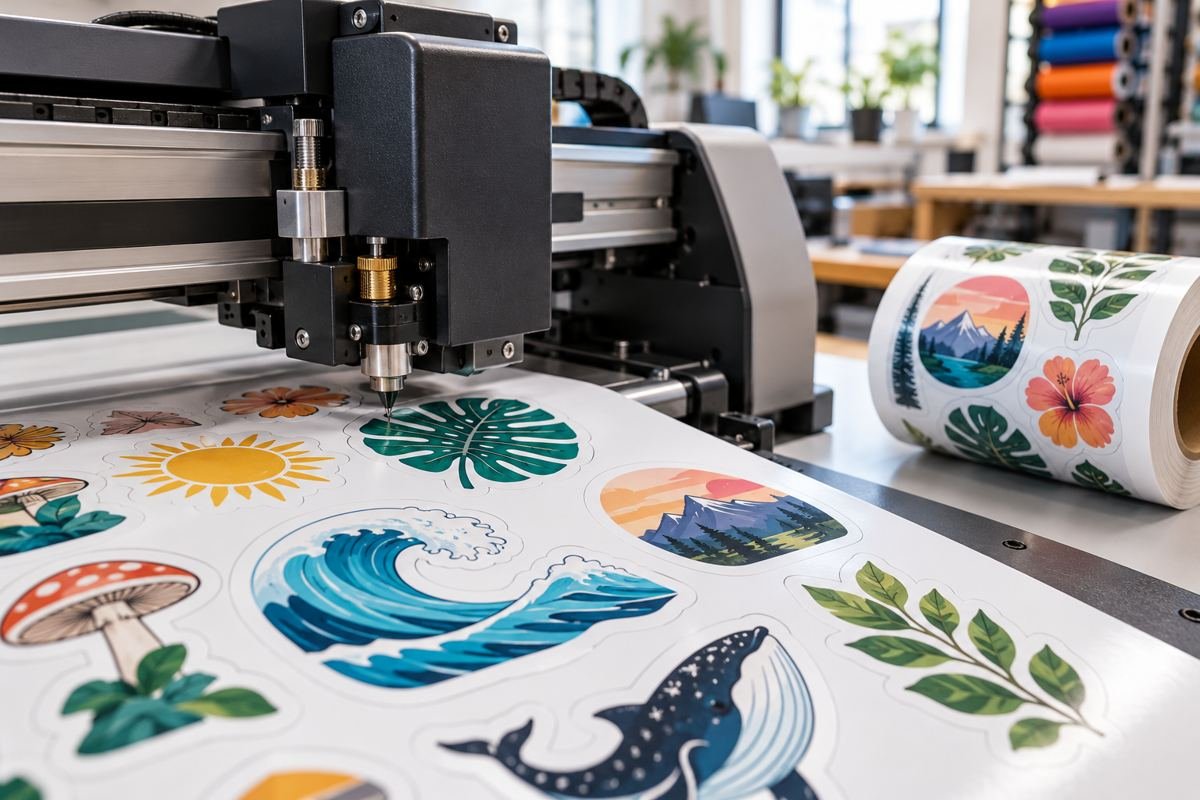
A circle or square label has short, even edges. A sticker cut to the outline of a logo or character has long edges full of curves, corners and narrow points. Each narrow point is a place where peeling can start if the material is weak or the adhesive doesn’t suit the surface.
Peeling off the backing is the second stress test. People lift a die-cut sticker by its edge, and a flimsy material can tear at a fine tip before it ever reaches the product. So for die-cut stickers, material is a durability decision first and a look decision second. If you’re still deciding whether your design should be cut to shape at all, start with 7 practical ways to use die-cut stickers.
Die cut vinyl stickers: when they’re the strongest option
In print shops, “vinyl” usually means flexible plastic film. Die cut vinyl stickers don’t absorb water, they wrap around curves like cups and round tins, and they resist tearing when peeled — even at thin tips.
Good fit for
- Water bottles, tumblers and reusable cups
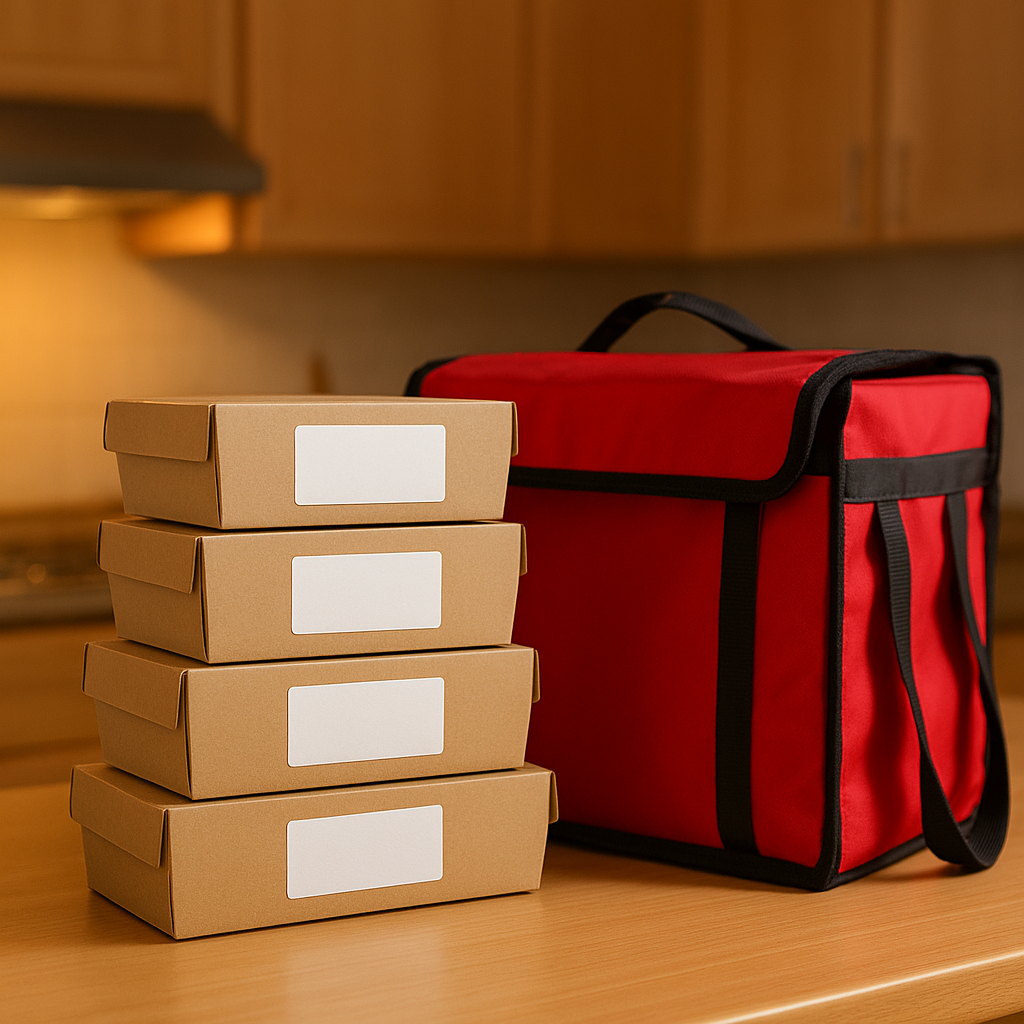
- Product boxes that go in the fridge or get handled a lot
- Laptop and phone stickers, staff giveaways
- Handouts at outdoor events and exhibitions
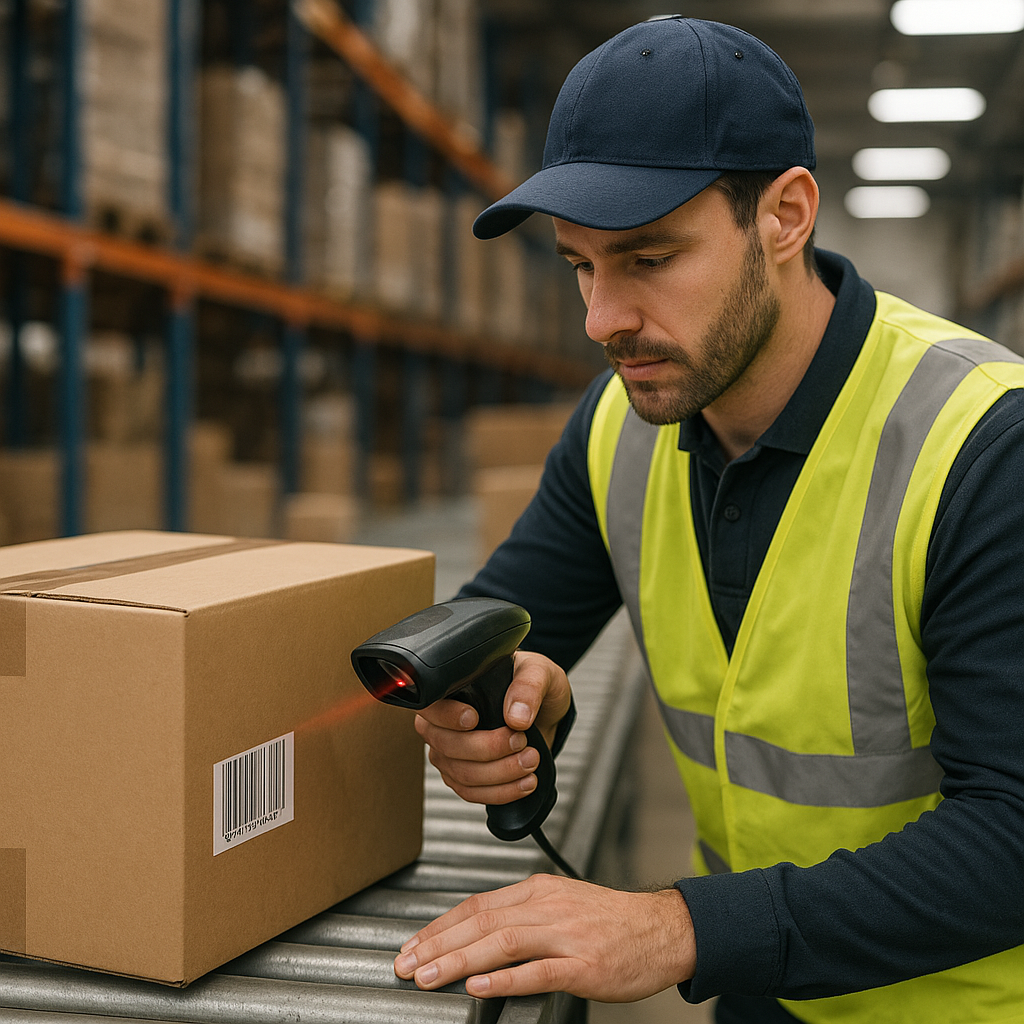
- Packaging that ships across Saudi Arabia and the GCC and takes heat and friction in transit
Watch out for
Glossy vinyl makes colors pop but reflects light in product photos; matte reads calmer and photographs more easily. In a hot, humid city like Jeddah, durability also depends on the adhesive and on applying the sticker to a clean, dry surface. For why labels lift in this climate, see why product labels peel in heat and humidity.
Coated paper die-cut stickers: when paper is enough
Coated paper gives good color and a natural feel, and you can write on it with a ballpoint — handy for price tags or handwritten thank-you notes. The trade-off: it absorbs moisture, and frequent handling frays or swells fine edges.
- Works for: sealing paper bags that get used quickly, inserts inside the order, notebooks and planners.
- Avoid for: chilled products, bottles, anything wiped or washed, designs with very thin tips.
If you do choose paper for a detailed design, simplify the outline and let the cut line wrap the artwork as one shape instead of following every small gap.
Clear die-cut stickers: white ink and cut-line freedom
A clear die-cut sticker makes your logo look like it’s printed on the jar or box itself. Four things decide whether it works:
- White ink: without a white layer underneath, colors on clear film look see-through and can vanish on dark surfaces. More in our clear sticker and white ink guide.
- Surface: clear film shows bubbles and dust, so apply it to smooth, clean, dry surfaces.
- Cut line: because the background is transparent, the cut can sit a little away from the artwork without a visible white border — which makes complex shapes easier.
- Container color: on dark or colored packaging, the printed white is what keeps your logo readable. Check it closely on the proof.
Die-cut sticker materials compared
| Factor | Coated paper | White vinyl | Clear vinyl |
|---|---|---|---|
| Water resistance | Low | High | High |
| Thin-edge durability | Low | High | High |
| Conforms to curves | Limited | Good | Good |
| Writable with a pen | Easy | Hard (matte is better) | Hard |
| Surface shows through | No | No | Yes |
| Needs white ink | No | No | Yes, especially on dark surfaces |
| Relative cost | Low | Medium | Medium to higher |
| Best for | Short-term indoor use | Boxes, bottles, laptops | Glass, clear or colored containers |
Cutting factors that should steer your choice
- Thin tips: narrow points on the outline peel first. Simplify them on paper; keep a safe margin around the art on vinyl.
- White border: on white vinyl and paper, an even border protects the edge and looks tidy. On clear, you can keep it minimal.
- Interior cuts: cutting into small gaps (letter counters, tiny details) weakens the sticker. One clean outer contour is usually better.
- Curved surfaces: cups and round tins need a flexible film; paper tends to lift at both ends.
- The cut file: the cut path must be a single, closed, continuous line. Full requirements are in our die-cut sticker file preparation guide.
Common material mistakes
- Choosing paper for a product stored in the fridge — condensation lifts the edges within days.
- Ordering clear without a white layer for a logo going on dark packaging.
- Pairing a design full of sharp, thin tips with a weak material.
- Applying to a hot or dusty surface, then blaming the material when it peels.
- Defaulting to glossy for a product that’s photographed under strong lights, without testing matte.
What you’ll find at Paper-Ink
Our custom die-cut stickers category lists tear-resistant plastic stickers in clear, glossy and matte options, plus holographic die-cut stickers, with several products offered in sizes from 4 to 8 cm. Every order gets a free digital proof so you can check the cut line, border and colors before production, and our design service can prepare your file if it isn’t print-ready. We deliver across Saudi Arabia and the GCC, with free shipping on orders of SAR 250 or more.
Top 10 Practical Recommendations for Choosing Die Cut Vinyl Stickers
Use these tips to choose die cut vinyl stickers with confidence. Check each one before you approve the order.
- Define where it will live. An indoor sticker has different needs from one exposed to water or sun.
- Separate the cut from the material. The cut style is one decision, and the material is another.
- Pick vinyl for outdoor use. The 4over4 guide explains that vinyl handles water better than paper.
- Use coated paper indoors. It suits gifts, notebooks and dry surfaces.
- Test clear stickers carefully. The surface color shows through, so read our clear sticker and white ink guide.
- Compare options side by side. The logo sticker materials guide helps you decide.
- Ask for the real specification. The words “die cut” do not prove water or heat resistance.
- Choose the finish deliberately. Glossy and matte change both feel and color, as the sticker finish guide shows.
- Draw the cut path carefully. This CreativePro tutorial covers three ways to build a die line.
- Approve the free digital proof. Then send your details through the request-a-quote page.
What’s New as of October 2026
We found no confirmed update through October 2026 that changes the basic rules for choosing die cut vinyl stickers. So we do not list unverified news here.
The 4over4 guide summarises the core difference. Vinyl is a tear-resistant plastic film that handles water, while paper suits dry indoor surfaces.
Read the 4over4 vinyl versus paper comparison. Then ask for the actual material specification before you order, because general claims do not guarantee how your product performs.
FAQ
What’s the difference between die cut vinyl stickers and paper die-cut stickers?
Vinyl is a plastic film that doesn’t absorb water, flexes around curves and resists tearing, so thin cut edges stay put on boxes, bottles and cups. Coated paper costs less and takes a pen, but humidity and handling wear it down, so it suits short-term indoor uses like bag seals and planners.
Do clear die-cut stickers need white ink?
Usually, yes. Colors printed on clear film look semi-transparent without a white base and fade badly on dark or colored surfaces. Dark artwork on a light container can sometimes skip it. The safest approach is to decide where white goes and confirm it on the free digital proof before printing.
Are die-cut stickers waterproof?
That depends on the material, not the cutting method. Die-cut stickers made from vinyl or other plastic film handle water, condensation and wiping, while coated paper absorbs moisture and its edges swell. If the product will be refrigerated, washed or shipped in heat, choose a plastic material.
Which material works best on a cup or round container?
Flexible vinyl is the best fit because it follows the curve without lifting at the ends. Pick a size that doesn’t wrap too far around the cup, and apply it to a clean, dry surface at room temperature. Paper on curved surfaces tends to spring back and lift over time.
Can you write on die-cut stickers?
Coated paper takes a ballpoint easily, which makes it good for price tags and handwritten notes. Matte vinyl accepts some permanent markers, while glossy and clear films are hard to write on and smudge. If handwriting is part of how you’ll use the sticker, test your pen on a sample first.
Ready to choose? Upload your design on the die-cut sticker page and request a free digital proof, or message us on WhatsApp and we’ll suggest vinyl or clear based on the surface you’re sticking to.
Related reading: Sticker or Custom Printed Bag? Choosing the Right Packaging for Your Small Product
Can I see a proof before printing?
Yes. We send a free digital proof before printing so you can approve the shape and colors.
How long does delivery take?
Most orders take 3 to 5 working days. Shipping then takes 24 to 72 hours, and orders of 250 SAR and above ship free.
Do you deliver outside Saudi Arabia?
We deliver within Saudi Arabia and to GCC countries. Contact us on WhatsApp to confirm your location.
Ready to print your design?
Choose your sticker type and set your specifications. We send a free digital proof before printing, and there is no minimum order.
Browse sticker typesOrder custom die-cut stickersBrowse die-cut stickers