

Paper Ink Blog
Short-Run Packaging Printing in Saudi Arabia: When Digital Printing Beats Offset

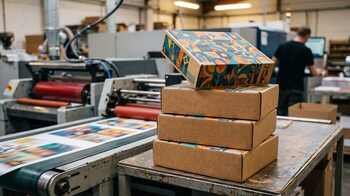
Short-run packaging printing is not simply “digital for small quantities, offset for big quantities.” The right decision depends on fixed setup cost, how often artwork changes, how quickly the packaging is needed, whether every version is identical, and how expensive leftover inventory would be. In Saudi Arabia, current digital-packaging providers emphasize short runs, lower setup burden, variable printing and faster turnaround, while regional 2026 industry coverage highlights digital printing as a key growth area for personalized and limited-edition packaging.
Start with business risk, not press technology
The most useful question is not “Which press is better?” It is “What happens if I print too much, change the artwork, or need a new version next month?” A small brand launching a new SKU has different risk from an established product ordering the same box for the tenth time.
Why digital works well for short runs
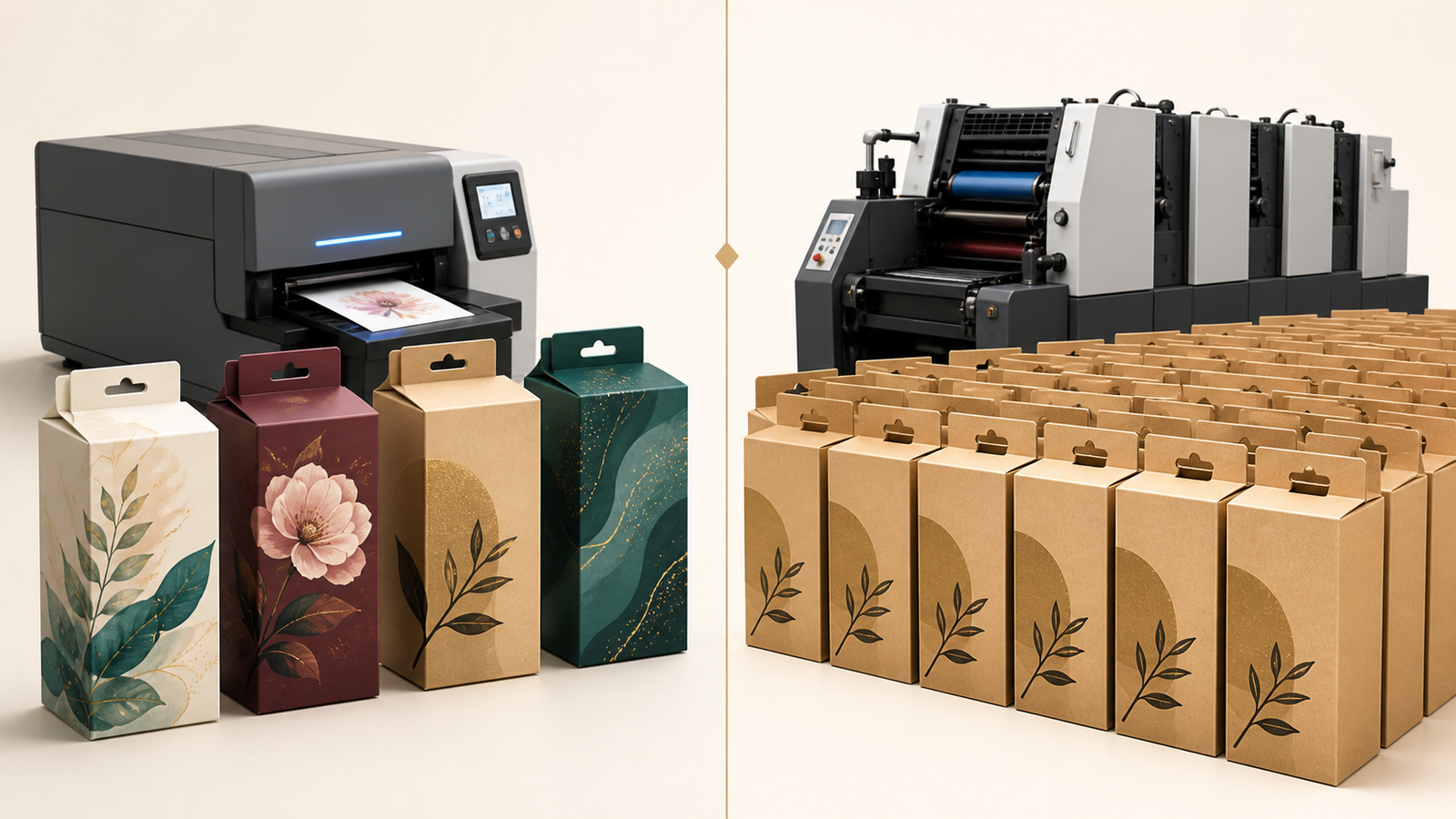
Digital printing removes the plate-making step used in conventional offset workflows. That makes it attractive when:
- the quantity is relatively low,
- the deadline is tight,
- the design may change,
- several versions are required,
- variable names, codes or QR data are needed,
- the brand wants a pilot batch before scaling.
Saudi provider Easternpak currently highlights short production runs, variable printing, reduced setup costs and fast turnaround as core benefits of its digital centre.
Why offset still matters
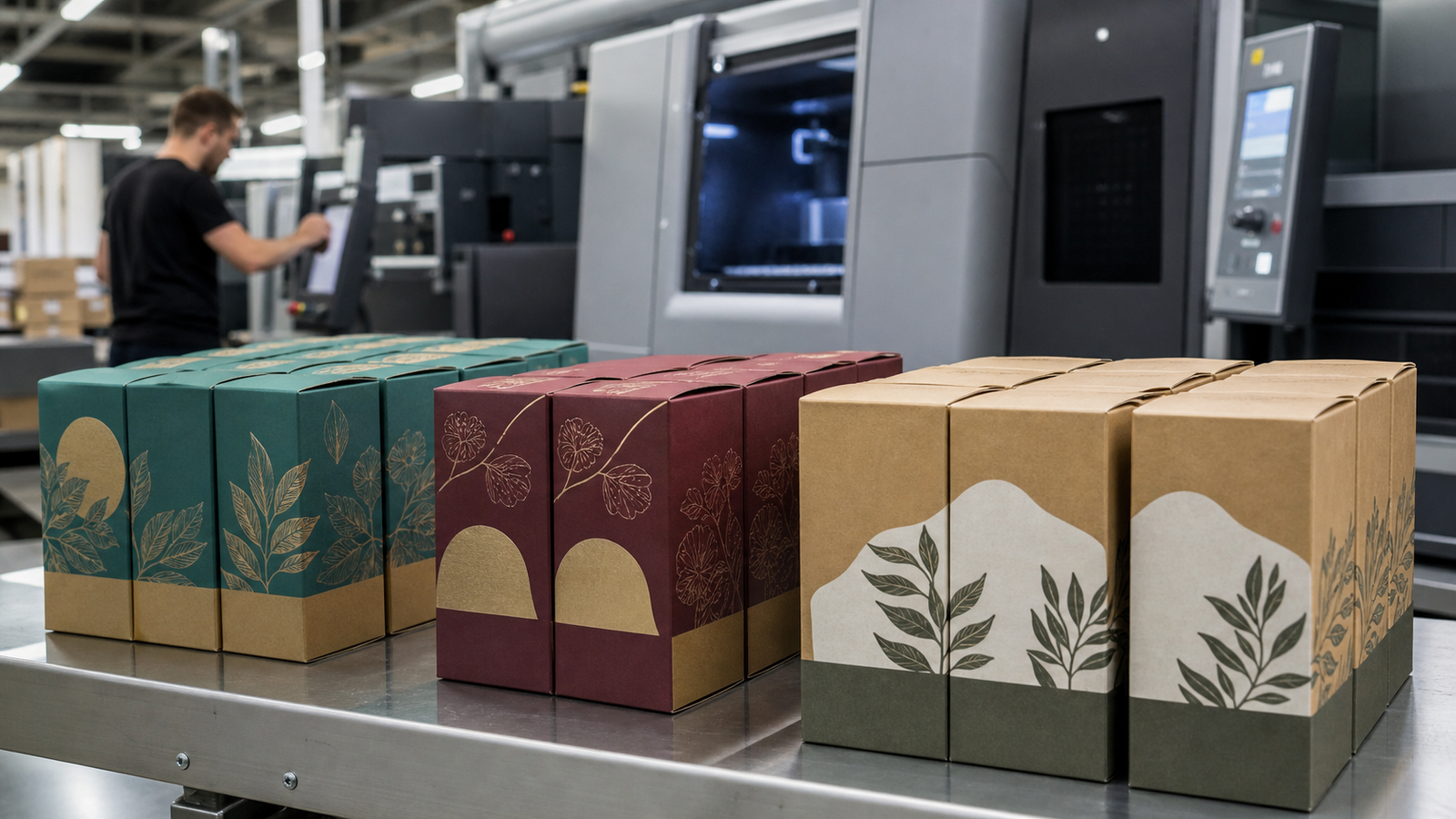
Offset becomes attractive when a stable design is printed at scale and the fixed setup cost can be spread across many units. It also remains strong where consistent brand color, repeatability and specific premium substrates or finishing workflows are important.
Do not assume a universal crossover quantity. Material, number of colors, sheet size, finishing, die-making and supplier setup all change the math.
A practical decision table
| Situation | Better starting point |
|---|---|
| New product test | Digital |
| Seasonal campaign | Digital |
| Multiple regional versions | Digital |
| Variable QR or names | Digital |
| Stable high-volume repeat order | Quote both; offset may win |
| Exact repeat color across large runs | Offset may be stronger |
| Prototype before tooling | Digital |
| One-off premium launch | Depends on finishing |
Inventory is part of print cost
A low per-unit price is not cheaper if 30% of the packaging becomes obsolete. Short-run production can reduce excess inventory when ingredients change, regulations change, a seasonal campaign ends or a new product design replaces the old one.
Saudi seasonal packaging favors flexibility
National Day, Founding Day, Ramadan, Eid, product launches and event packaging create short windows. Digital production can be useful when the design carries a year, campaign name or limited-edition artwork that should not remain in inventory after the event — the same logic behind our Saudi National Day 96 packaging guide.
Variable printing creates new use cases
Digital workflows can support different versions within a run: city names, batch messages, personalized cards, campaign codes or unique QR destinations. This is difficult or expensive to achieve through a static plate-based workflow — it is the same principle we cover in more detail in our guide to WhatsApp QR code stickers for packaging.
Color expectations need to be realistic
Digital color quality is strong, but if an established brand requires the same spot-color appearance across repeated large runs, the production method and color-management workflow should be discussed before ordering. A physical proof or approved color reference matters more than a generic promise.
Finishing can change the answer
Foil, embossing, die cutting, lamination and specialty substrates may add tooling or minimums regardless of whether the print itself is digital. Ask for a production quote that separates printing from finishing so you understand the true fixed-cost components.
A safer buying workflow
- Define the final size and material.
- Request quotes at two or three realistic quantities.
- Ask whether plates, dies or setup fees are included.
- Confirm whether reorders use the same setup.
- Ask what changes if artwork versions differ.
- Check whether variable data is supported.
- Confirm proofing and color expectations.
- Compare total usable inventory, not only unit price.
When to scale from digital to offset
Start digitally when uncertainty is high. Once demand stabilizes, artwork stops changing and order volume becomes predictable, quote the same job in a higher-volume production method. The smartest workflow is often not choosing one technology forever; it is using digital to learn, then moving to offset when the economics become clear.
FAQ
Is digital packaging always cheaper for small quantities?
Often, but not automatically. Finishing, material and cutting can still create setup cost.
Does offset always have better quality?
Not in every application. Modern digital systems can produce excellent packaging. The decision should be based on the job’s color, material, quantity and repeatability requirements.
Can digital printing handle multiple packaging versions?
Yes. Versioning and variable data are major strengths of digital workflows.
What quantity should I switch to offset?
There is no reliable universal number. Request comparable quotes at your actual quantities and include setup, finishing and inventory risk.
Conclusion
Short-run packaging printing works best when it is chosen as a risk-management decision, not a default. Use digital when your artwork, quantity or timeline is still uncertain, and move to offset once the design is stable and the volume justifies the setup cost. If you are ready to compare production methods for your own packaging, request a quote from Paper Ink with your size, material, quantity and finishing details so we can recommend the right starting point.
Related reading: Restaurant Menu Printing in Saudi Arabia: Physical, QR and SFDA Requirements for 2026

One thought on “Short-Run Packaging Printing in Saudi Arabia: When Digital Printing Beats Offset”