
Paper Ink Blog
Paper Sleeves and Wraps That Raise Perceived Product Value

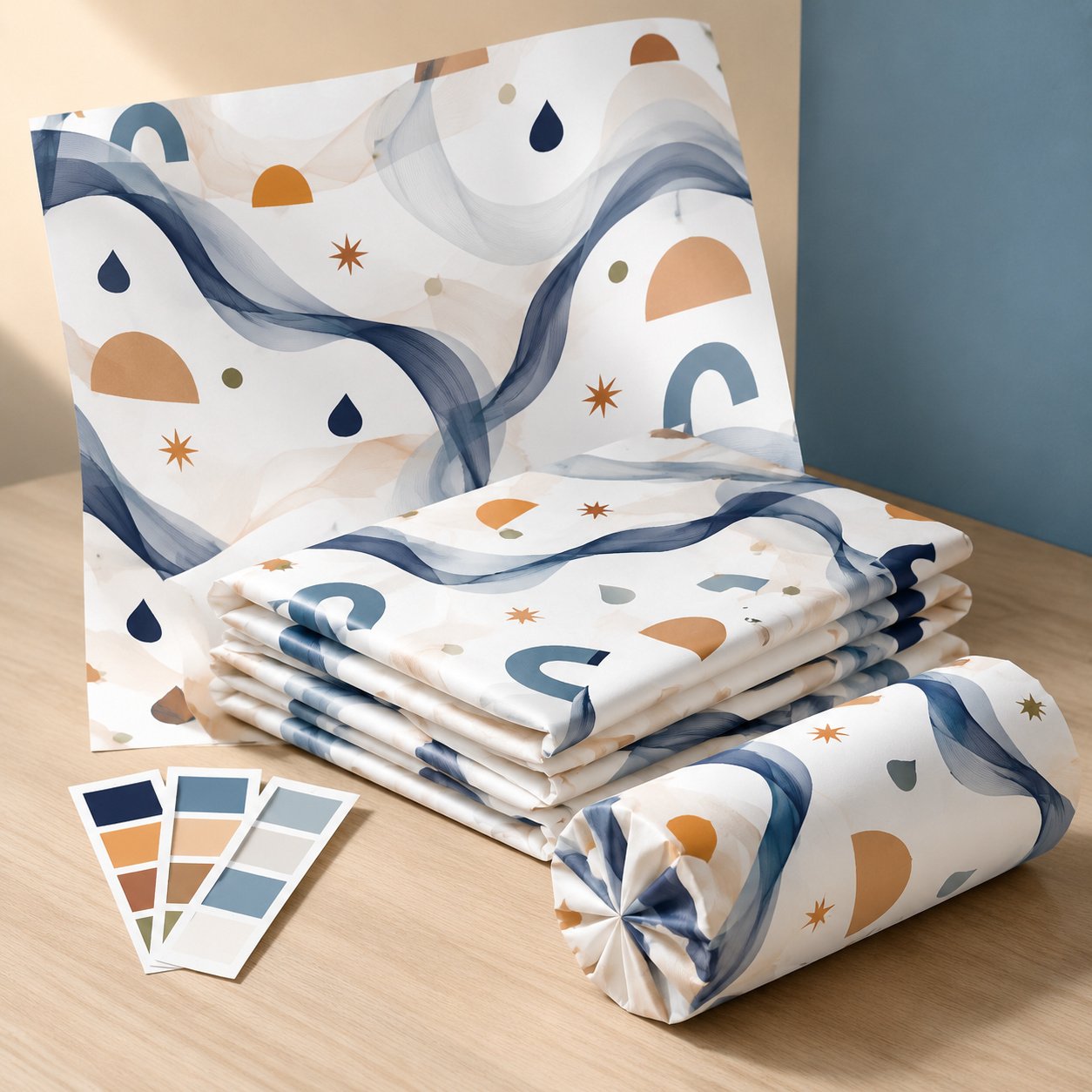
Paper sleeve packaging is one of the cheapest ways to make a plain box feel premium. A printed sleeve, belly band or full paper wrap adds a deliberate layer customers notice before they open anything. To get it right, choose the format first, then a paper weight that holds its shape, then a finish, and finally a short, focused print layout.
Key takeaways
- A printed paper sleeve turns stock boxes into branded packaging without printing the box itself.
- Sleeves and belly bands need stiff card; full wraps need light, foldable paper.
- Matte reads calm and upscale, gloss makes color pop, kraft feels natural and handmade.
- Prototype on your actual box and test with a small batch before committing to volume.
What counts as paper sleeve packaging?
We mean the outer paper layer that goes around a product or its box, not a book or notebook cover. If you are printing books or booklets, see our guide to choosing a paper cover that reflects your brand instead.
For product packaging, there are three common formats:
- Belly band: a wide strip that wraps around the middle of a box or a bundle of items, closed with adhesive or a paper lock.
- Slide-on sleeve: an open-ended paper or card tube that slides over most of the box; the box pulls out like a drawer.
- Full paper wrap: a printed sheet folded completely around the item, popular for soap bars, single sweets and small gifts.
Why does a printed paper sleeve raise perceived value?
Shoppers judge a product by the first surface they touch. An extra, clearly designed layer signals care, and people assume what is inside deserves that care. That is why a modest sleeve can add more perceived value than it costs.
The practical benefits matter just as much:
- Brand stock boxes: use plain white or kraft boxes and put your entire identity on the sleeve.
- Seasonal swaps: change the band design for Ramadan, Eid or Saudi National Day without reprinting your box inventory.
- Variant coding: one box, several band colors, so flavors, scents or sizes are easy to tell apart.
- Unopened signal: a band sealed with a sticker reassures customers the product arrived untouched.
Sleeve vs belly band vs full wrap: which fits your product?
| Format | Coverage | Best for | Watch out for |
|---|---|---|---|
| Belly band | A strip around part of the box | Sweets and dates boxes, candles, gift sets | Band width in proportion to the box so it doesn’t look lost |
| Slide-on sleeve | Most of the box | Cosmetics, fragrance, premium sets | Exact sizing; too tight tears, too loose slides around |
| Full paper wrap | The entire item | Soap, individually wrapped sweets, small gifts | Light paper that folds cleanly without cracking at corners |
How heavy should the paper be?
Weight is the first thing customers feel. The rule of thumb: the more a piece has to hold its own shape, the heavier the stock.
- Full wraps: light to medium paper that drapes and creases neatly. Heavy stock fights the fold and leaves puffy corners.
- Belly bands: a light card usually works, since the box underneath supports the band.
- Sleeves: a heavier card, because the sleeve is pulled off and slid back on repeatedly and must not crease at the edges.
Test it like a customer would: slide the box in and out of the sleeve ten times, leave a band in a warm spot for a day, and check for warping or cracked edges. In Jeddah’s heat and humidity, that quick test tells you more than any spec sheet.
Matte, gloss or uncoated: choosing a finish
- Matte: soft feel, low glare, quiet luxury. A natural fit for fragrance, skincare and corporate gifts. Dark matte areas can show fingerprints.
- Gloss: richer, more saturated color. Works well for confectionery, kids’ products and bold, colorful artwork.
- Uncoated or kraft: absorbs ink so colors print softer, but the handmade, eco-friendly feel suits natural products and home-based brands.
If your brand palette is pale, proof it on kraft first; light tints can almost vanish on brown stock. For more on eco-minded material choices, read our guide to eco-friendly packaging for small businesses in Saudi Arabia.
What should you print on the sleeve?
- Logo and product name on the front, large enough to read from shelf distance.
- One value line such as “Handmade in Jeddah” or “No artificial additives”, only if it’s true.
- Language: Arabic first for the local market, English as a second line if you sell to non-Arabic speakers.
- Intentional blank space for a batch-date or flavor sticker if one sleeve covers several variants.
- QR code on the back, linking to the product page or your Instagram, never on the front panel.
Mistakes that make a sleeve look cheap
- Loose fit: a sleeve that shifts on the box undoes even great artwork.
- Overcrowding: detailed product info belongs on the box or an insert card, not the band.
- Art on the fold: text or logos sitting on a crease line crack and distort.
- Wrong finish for the use: uncoated paper around oily or chilled products stains quickly.
- Ordering volume before testing: trial the sleeve on a handful of orders and listen to customer feedback.
How to start without a big minimum order
You don’t need custom die-cut sleeves on day one. A practical test: print wrapping paper in your branding, cut it into strips sized to your boxes, and seal each band with a logo sticker. Paper-Ink’s custom printed wrapping paper includes a white, full-color option on 90 gsm paper in 48 × 33 cm sheets, plus a semi-transparent frosted option.
Once you know the width and finish that suit your product, you can move to dedicated paper sleeve packaging with a fixed template. And if you’d rather brand plain shipping boxes in other ways, see how to brand a shipping box without custom printing.
Paper sleeve packaging FAQ
What is the difference between a paper sleeve and a belly band?
A sleeve covers most of the box and slides on and off, so it reads as a full outer layer and suits premium products. A belly band is a narrower strip around part of the box; it uses less material, costs less and lets the box color or design show. Choose a sleeve for an obvious luxury layer and a band for a light brand touch.
Can a printed sleeve replace a printed box?
Often, yes. Pair a plain stock box with a sleeve or band carrying your logo, colors and product name. It lowers box printing costs and makes seasonal design changes easy. The catch is precise sizing: the sleeve has to look like part of the packaging, not an afterthought added on top.
Which finish looks most premium on a paper sleeve?
Matte is the go-to for an upscale look because it feels soft and keeps glare low, especially with dark or neutral colors. Gloss suits colorful designs and sweets, while kraft feels natural and handmade. The right choice is the one that matches your brand personality and how the product will be handled.
Is paper wrap safe for food packaging?
As an outer layer around a sealed box or bag, yes. If the paper touches food directly, it must be a food-contact grade and greaseproof where needed. For chilled or oily products, choose coated paper that resists staining so the wrap still looks clean when the customer receives it.
How can I check the sleeve before printing?
Request a digital proof at actual size and make sure the logo and text sit clear of fold and trim lines. Then print a test copy on plain paper and wrap it around your real box to confirm width and length before approving the final quantity.
Ready to try a sleeve that sells your product?
Send us your artwork or idea and we’ll prepare a free digital proof before anything is printed; our design team can help if your file isn’t ready. We deliver across Saudi Arabia and the GCC, with free shipping on orders of SAR 250 or more.
