
Paper Ink Blog
Printable Sticker Paper: How to Choose It and Print Stickers at Home, Step by Step

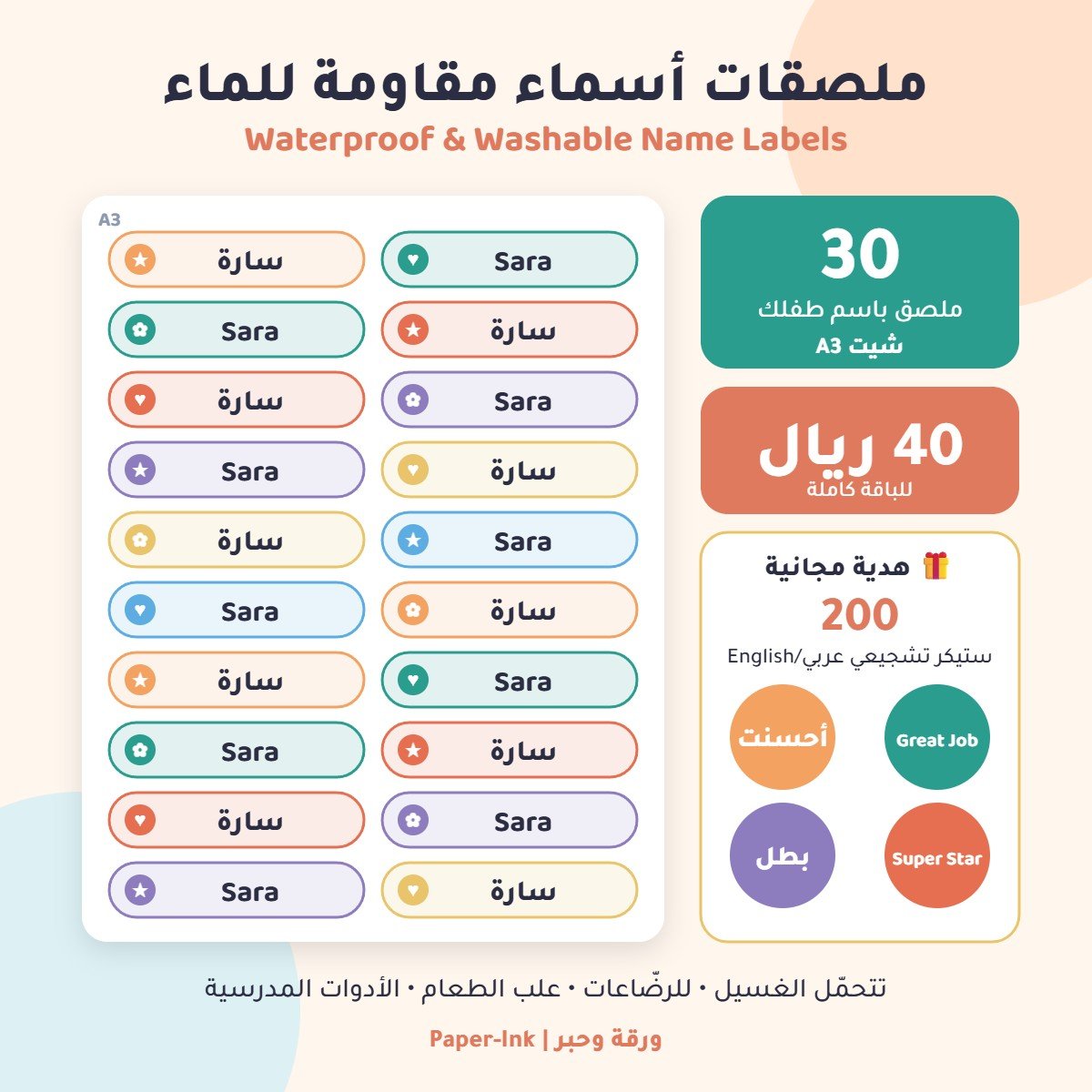
Printable sticker paper is a sheet with an ink-receptive face, an adhesive layer and a peel-away liner, so you can print on it with a regular printer and cut out your own stickers. For clean results, match the paper to your printer, design on a template sized to the sheet, run a plain-paper test, set the right paper type, let the ink dry, seal if needed, then cut.
Key takeaways:
- Start with your printer type. Inkjet sticker paper and laser sticker paper are not interchangeable.
- A good template prevents most problems: margins from the sheet edge and gaps between stickers.
- One plain-paper test print catches alignment and sizing mistakes before you waste adhesive sheets.
- Home printing is great for testing and small runs. For repeat orders and contour-cut shapes, a print shop is more consistent.
What is printable sticker paper, and which type fits your product?
Every sheet has three layers: a printable face, an adhesive, and a smooth backing liner. The face material (paper or vinyl) and its finish decide how the sticker looks and how long it lasts. Choose based on where the sticker will live, not just on the price per pack.
| Type | Look | Best for | Watch out for |
|---|---|---|---|
| White matte paper | Soft, writable with a pen | Price tags, name labels, ingredient labels on dry goods | Smudges with water and handling |
| White glossy paper | Brighter, punchier color | Logo stickers, dry packaging | Inkjet ink takes longer to dry |
| Printable vinyl | Flexible, plastic face | Jars, bottles, items handled often | Follow printer settings closely; some sheets still need a protective layer |
| Clear | Design appears printed on the surface | Glass and colored containers | Home printers cannot print white |
| Pre-cut labels | Ready-made circles or rectangles | Shipping labels, uniform seal stickers | You need the manufacturer’s exact template |
Before you buy, make sure the pack names your printer type. Our inkjet vs laser sticker paper guide covers compatibility in detail.
How to print stickers at home on printable sticker paper
These steps work with most home and office printers. Give yourself unhurried time; rushing is the number one reason sheets end up in the bin.
1. Decide size and quantity first
Measure the surface the sticker will go on: a lid, a bag, a jar. Then decide how many stickers you want per sheet. That single decision shapes the whole layout. If you are unsure about dimensions, check our common sticker size guide.
2. Build a sticker paper template
Create a document at the real sheet size (usually A4 in Saudi Arabia, Letter in the US) in Canva, Word or Illustrator. Template rules that matter:
- Keep a margin from the sheet edges. Most home printers cannot print fully edge to edge.
- Leave clear gaps between stickers so scissors or a craft knife can pass without clipping artwork.
- For pre-cut labels, download the manufacturer’s template using the code on the pack instead of drawing your own.
3. Check image and logo quality
Use high-resolution files at the size you will print, ideally a vector logo or a large PNG. Small text and fine details are the first things to blur, so don’t shrink them beyond what they can handle.
4. Run a plain-paper test
This is the cheapest, most useful step. Print the layout on ordinary paper, lay it over the sticker sheet and hold both up to a light. Do the designs sit inside the pre-cut shapes? Is the size right on the actual product? Fix it now, not after you have used an adhesive sheet.
5. Set up your printer
- Paper type: pick the closest match in the driver (labels, glossy photo, heavy matte) based on the pack’s recommendation.
- Quality: high or best.
- Scale: 100% or “actual size”. Turn off “fit to page” so the template stays true.
- Print side: mark a plain sheet with a pen to learn which side your printer prints on, then load the sticker paper accordingly.
- Feeding: load one sheet at a time to reduce skew and jams.
6. Let the ink dry
Glossy faces hold inkjet ink on the surface longer. Lay sheets flat and don’t stack them right away. Touching too early causes most smears and streaks.
7. Seal it if it will meet water or friction
Home-printed paper stickers react to moisture and fingers. A clear self-adhesive laminate sheet applied over the whole page before cutting adds protection and a gloss or matte feel. It improves durability, but it does not turn paper into vinyl.
8. Cut your stickers
Choose a cutting method based on shape and quantity, as compared below.
Cutting printed stickers: which method should you use?
| Method | Best for | Precision | Practical tip |
|---|---|---|---|
| Scissors or corner rounder | Simple circles and rectangles, small batches | Medium | Leave a thin white border so small wobbles don’t show |
| Craft knife and metal ruler on a cutting mat | Straight edges and rectangular labels | Good | Swap the blade at the first sign of torn edges |
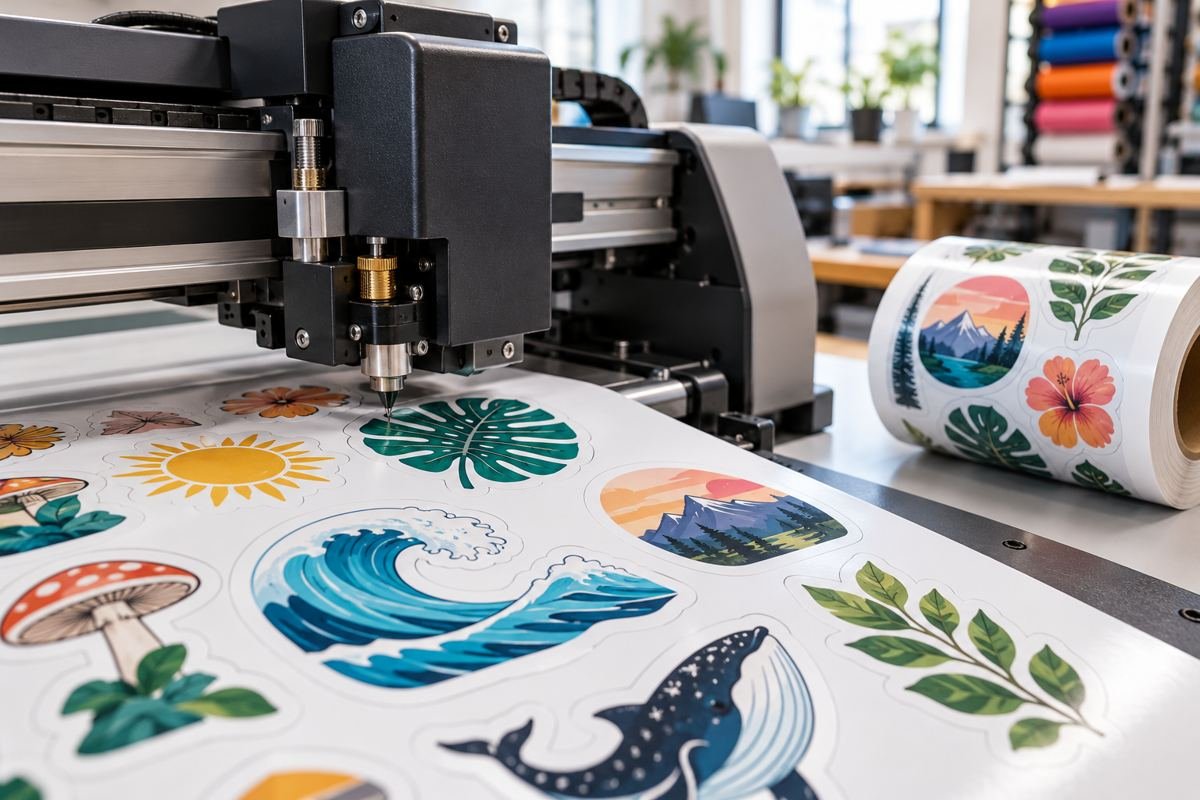
| Home cutting machine (print then cut) | Custom shapes and medium runs | High | Print registration marks exactly as the software requires and never rescale the file |
Know the difference between a full cut, which separates the sticker and its liner, and a kiss cut, which slices only the face and keeps all stickers on one sheet. Kiss cutting gives you that finished “sticker sheet” look but needs a cutter with well-tuned blade pressure.
If colors come out dull or designs land off-target, our guide to sticker paper printing mistakes walks through causes and fixes.
When is printable sticker paper enough, and when should you use a print shop?
Printable sticker paper is ideal for testing a new design, small one-off batches and internal labels like prices or dates. The picture changes when orders repeat, when the product needs real resistance to water and refrigeration, when every sticker must be contour-cut to your logo, or when colors must match from batch to batch.
At that point, custom printed sticker sheets cut to shape will save you time. If you’re weighing formats, see sticker sheets vs rolls.
Top 10 Practical Recommendations for Printable Sticker Paper
These steps save paper and ink when you use printable sticker paper. Follow them in order before your first batch.
- Know your printer type first. Inkjet sheets do not suit laser printers, so read our inkjet vs laser sticker paper guide before buying.
- Read the pack carefully. Choose sheets that name your printer type, because the wrong match can damage both the sheet and the machine.
- Design at the real sheet size. Even a small size mismatch shifts the print away from the sticker edges.
- Print at 100%. The “fit to page” option shrinks the layout and breaks the alignment.
- Test on plain paper. Hold the test page over a label sheet against the light, then check that the edges match.
- Set the paper type. Choose the label or heavy paper setting, because it helps the printer feed and fix the ink.
- Feed one sheet at a time. This prevents sheets from sticking together or entering at an angle.
- Let the ink dry fully. Do not touch or stack stickers until they are dry, or the design will smear.
- Avoid the common mistakes. Review these sticker paper printing mistakes before you waste a full pack.
- Move to a print shop for repeat orders. When volumes grow or you need shape cutting, request a quote from Paper-Ink and get a free digital proof before printing.
What’s New as of October 2026
We found no confirmed new update about printable sticker paper itself as of October 2026. So this section relies on published guidance from a well-known label brand.
Avery suggests printing a test page on plain paper and holding it over the label sheet against a bright light to check alignment. It also advises setting the print scale to 100% and letting inkjet labels dry before touching them, as described in its guide to printing labels at home.
The same brand explains that choosing a label or heavy paper type in the print dialog helps the printer pull the sheet through correctly. You can read it on its recommended printer settings page. Also check your printer manual before you buy.
Frequently Asked Questions About Printable Sticker Paper
Can I use printable sticker paper in any printer?
No. Each sheet is made for either inkjet or laser. Inkjet sheets can warp under laser heat, while laser sheets do not absorb liquid ink. Check the pack and test one sheet first.
How do I make home-printed stickers waterproof?
Start with printable vinyl made for your printer type, then add a clear self-adhesive laminate before cutting. Paper plus laminate handles splashes and light handling. For chilled or washed products, professionally printed stickers are safer.
Why are my stickers printing off-center on pre-cut sheets?
Usually “fit to page” is shrinking the layout, or the template does not match the label code. Print at 100%, use the manufacturer’s template, and load one sheet straight.
What is the best software for sticker templates?
Any program that sets the page size exactly will do. Canva and Word suit beginners, while Illustrator is more precise for shapes and cut lines.
Should I buy full sheets or pre-cut stickers?
Full sheets give you freedom in shape and size, but you must cut them. Pre-cut sheets save time and give clean edges, so they suit uniform labels.
How long does the ink take to dry?
It varies with the paper, the ink and the coverage. Therefore, wait until the sheet is fully dry, and test a corner away from the artwork first.
When should I order from a print shop instead?
Switch when orders repeat, volumes grow, or you need shape cutting. Our sticker printing cost and quote guide shows how to compare offers.
Can Paper-Ink help me prepare the file?
Yes, we help with file preparation, sizing and cut lines, and we send a free digital proof before printing. Message us on WhatsApp to start.
Bottom line
Success with printable sticker paper happens before you press print: the right paper for your printer, a correctly sized template, a plain-paper test, then careful settings, drying time and steady cutting. When volumes grow or you need durability and contour cuts, browse Paper-Ink sticker sheets and request a free digital proof before printing. Our design team can also prepare your artwork if your file isn’t print-ready.
Related reading: Printable Sticker Ideas: Creative Uses for Cafés, Shops and Artists