
Paper Ink Blog
Product Box Design Strategies That Attract Customers and Lift Sales

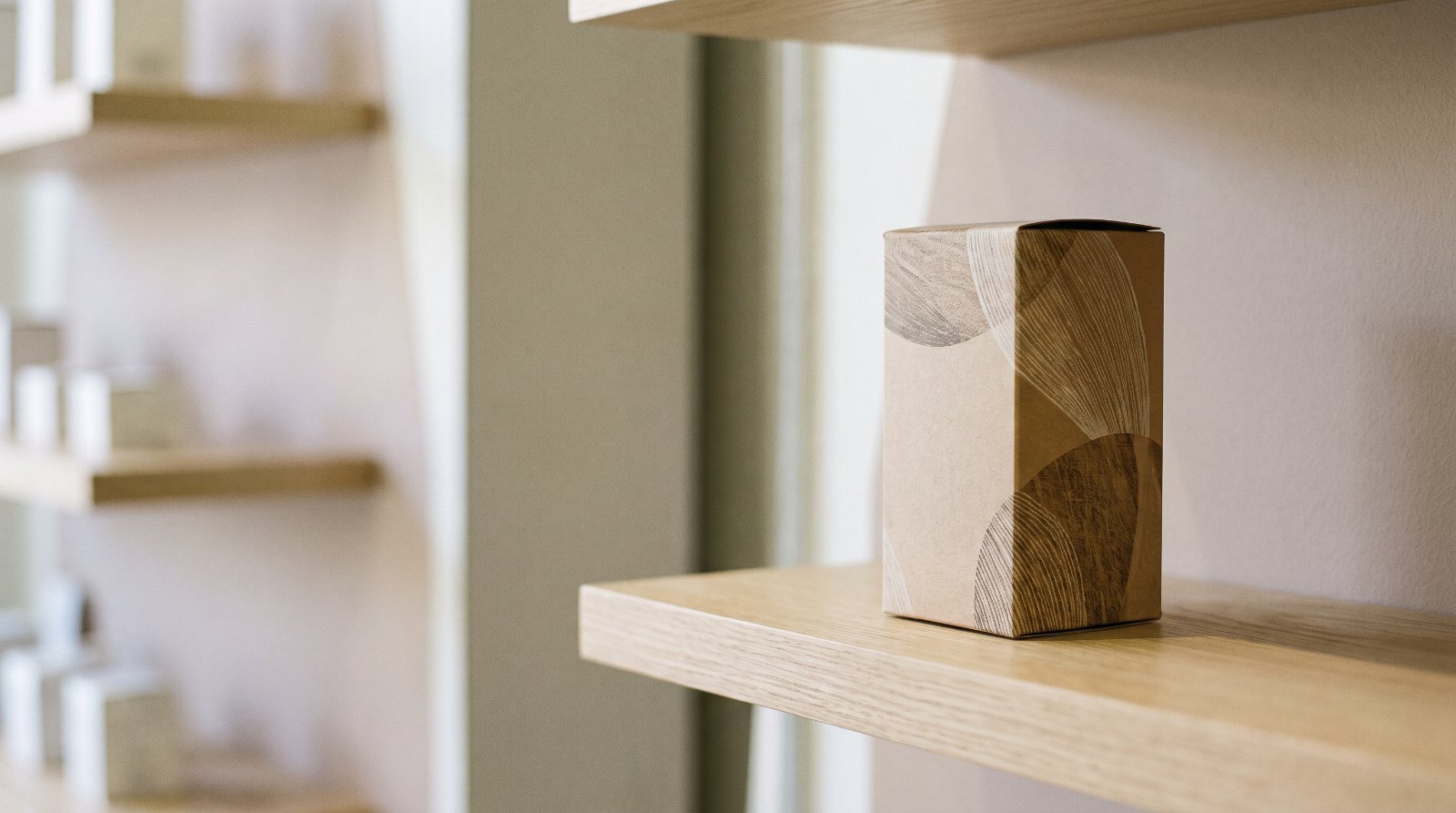
Good product box design makes a shopper pick your box off the shelf, or remember your brand after opening a parcel. It is not just about looking nice. The best boxes are built on selling decisions: what the eye sees first, where the logo sits, and how Arabic and English text share the space. Here is how to set those priorities before you send a file to print.
Quick summary
- Start with one question: will customers first see the box on a shelf or at their front door?
- Give the box one focal point, usually the logo or product name, and let everything else support it.
- Treat the unboxing moment as part of the design, not an afterthought.
- Ask for a digital proof before printing, because screen colors rarely match the printed result exactly.
Why product box design is a sales decision
The box is the first thing a customer touches from your brand, and sometimes the only thing they see before deciding. For online stores, the box reaches the customer’s home before they try the product, so it shapes their first impression. That is why product box design deserves more attention than it usually gets. Fixing a file before printing costs far less than reprinting a whole run.
Strategy 1: Set a clear visual hierarchy
People read a box in a fairly predictable order: overall shape and color first, then the logo or name, then the small print. The most common mistake is letting too many elements compete for attention. Try this order:
- First: logo or product name at a clearly readable size.
- Second: a short line saying what is inside (product type, flavor or use).
- Third: small details such as social handles, website and storage notes.
If everything is big, nothing stands out. Empty space is not wasted space; it gives your key element its value.
Strategy 2: Design for the shelf or for shipping
A box displayed in a store has different jobs than a box that travels inside a shipping carton. Decide its main role first:
| Question | Shelf box | Shipped box |
|---|---|---|
| Where is the buying decision made? | In front of the box itself | Before purchase in store photos, then again at unboxing |
| Most important surface | Front face and side | Lid and the inside |
| Color goal | Stand out next to competitors | Stay clear after handling in transit |
| Text focus | Product name and benefits visible | Thank-you note and short instructions inside |
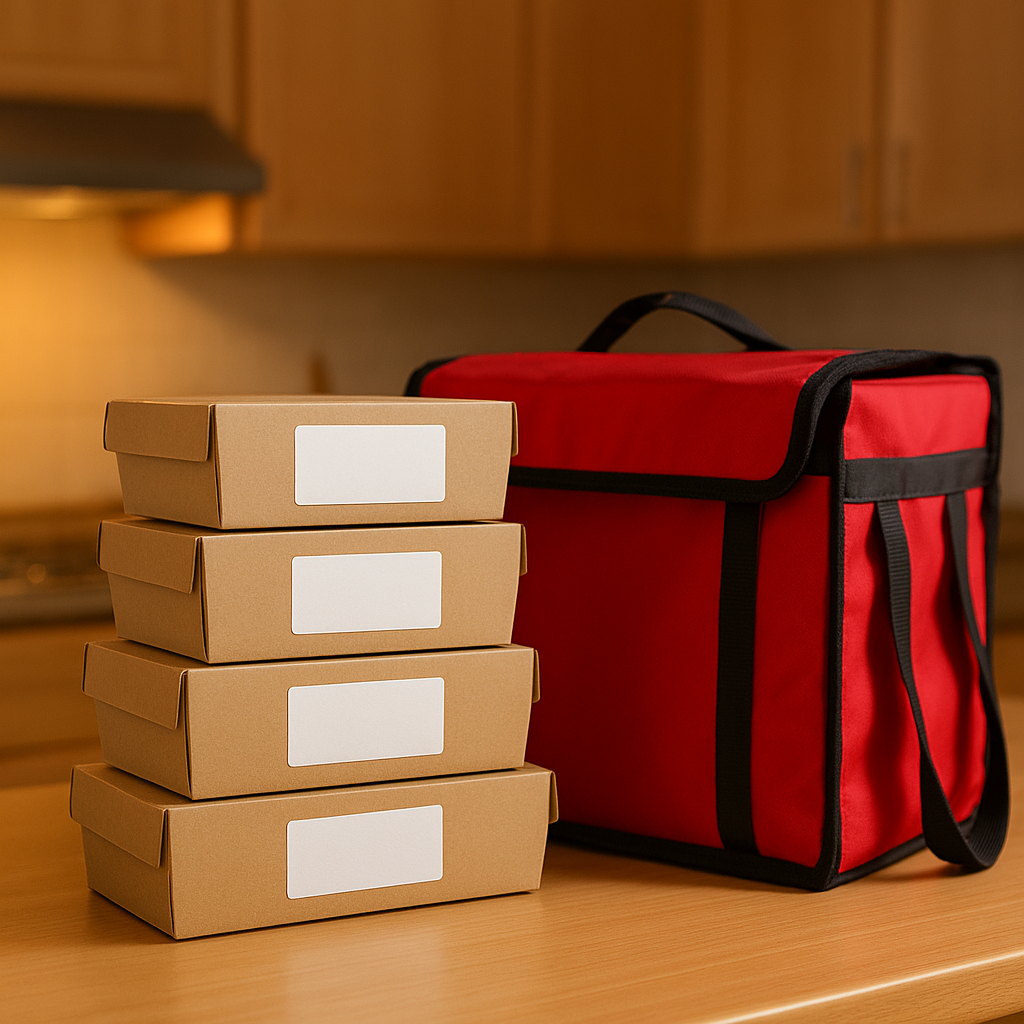
Many small brands sell through both channels. In that case, make the front face strong for the shelf and save the lid and interior for the unboxing experience.
Strategy 3: Plan the unboxing moment
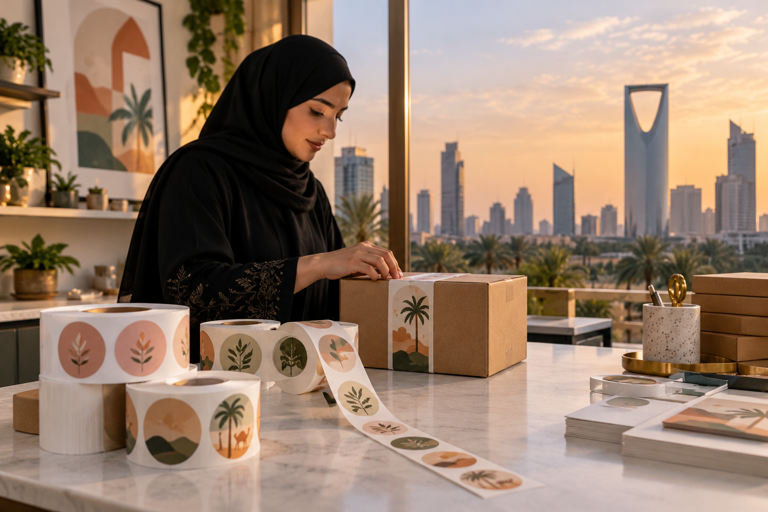
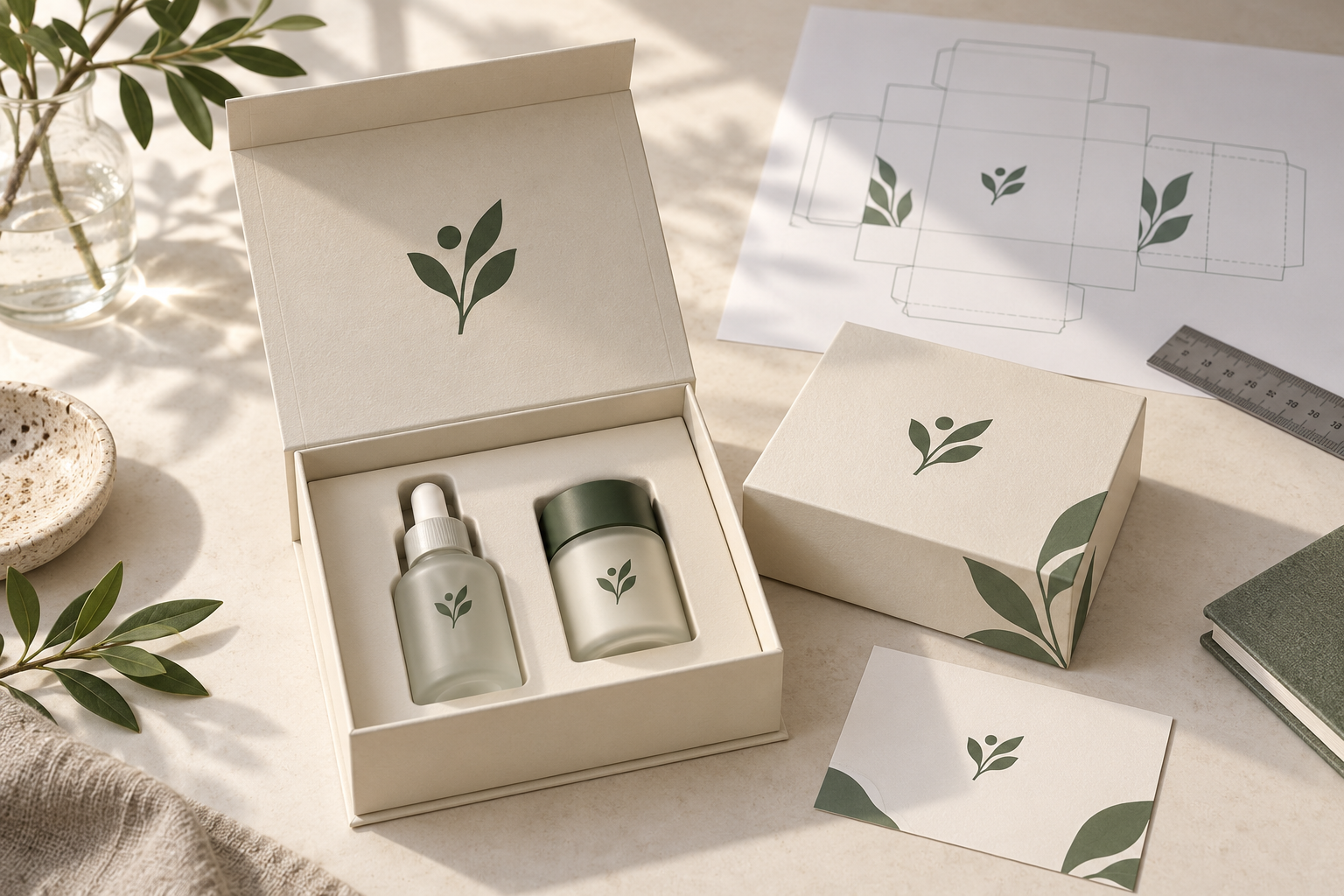
Opening the box is your best chance to leave a lasting impression. Think about what customers see when they lift the lid: a thank-you message, printing that continues inside, a quiet second appearance of your logo. It does not need to be elaborate. A short line inside the lid is often enough to turn an ordinary box into something people photograph and share. If your budget does not stretch to a fully printed box, lighter options such as custom sealing and thank-you stickers can add brand identity to a plain box. For more on this angle, see our guide to a branded shipping box without custom printing.
Strategy 4: Balance Arabic and English on the same box
In Saudi Arabia, boxes often carry two languages. These rules keep a bilingual box tidy instead of crowded:
- Pick one main language for the product name and set the second smaller, below or beside it.
- Limit the whole box to two or three typefaces.
- Respect reading direction: Arabic runs right to left, English left to right. Do not jam both into one tight line.
- Check that your smallest text is still readable once printed. A line that looks fine on screen can disappear on a small box.
Strategy 5: Test color between screen and print
Your screen is lit from behind, while print reflects the light around it. That is why a green can look darker, or a red calmer, on the finished box. Note your two most important brand colors, request a proof before the full run, and look at it in daylight, not only under office lights. Also avoid dark backgrounds packed with small light text, which is the quickest way to hurt readability.
Examples by business type
Cafés and sweets
Keep the front simple and appetizing: one strong brand color, a clear logo and a space for the item name. When you have several box sizes, repeat one shared element so the whole range reads as one brand.
Beauty and fragrance
Customers here are buying a feeling of quality. Use fewer decorations, give the logo room, and keep a calm secondary color for details. Clear ingredients and usage directions build trust.
Corporate gifts
The box represents the company giving the gift. Choose a neutral design that suits every recipient, size the logo respectfully, and leave space for a card or note. For inspiration on presenting items at events, our packaging inserts guide shows how small extras encourage repeat orders.
Common product box design mistakes
- Placing the logo too close to cut or fold lines, so it gets trimmed or distorted.
- Designing only the front and forgetting the sides and lid.
- Packing too much marketing copy onto a small surface.
- Approving artwork without checking the real box size and print limits.
- Giving every product in a range a completely different look, which weakens brand consistency.
Getting your box design ready with Paper-Ink
If your design is ready, browse our printing on boxes category, pick the box that suits your product and upload your file. If you do not have artwork yet, Paper-Ink offers design and file preparation services. Before printing, you receive a free digital proof to review colors and placement and approve them. We deliver across Saudi Arabia and the Gulf, and shipping is free on orders of SAR 250 or more.
Top 10 Practical Recommendations for Product Box Design
These steps keep product box design practical, from the first sketch to the printed sample. Follow them in order before you approve a file.
- Measure the product with its extras. Add the card, insert and protection to the product size before setting inner dimensions.
- Pick one focal point. Make the logo or product name the first thing the eye lands on.
- Limit your palette. Two or three colors keep the identity clean and make print matching easier.
- Keep text inside safe margins. Stay away from fold and cut edges so nothing is trimmed.
- Put key information on a visible face. Do not hide the product name on a side that disappears when boxes are stacked.
- Test the opening. Let someone who has never seen the box open it and watch for hesitation.
- Balance Arabic and English. Give each language its own block and check reading order, as covered in our packaging checklist for small online sellers.
- Check color on paper. Screens look brighter than print, so ask for a digital proof first; we offer a free digital proof before printing.
- Test shipping. If the order is posted, shake the box inside its outer carton before approving; see how packaging cost is shaped.
- Request a quote with your file. Send size, quantity and artwork through our quote page and we will help prepare the file.
What’s New as of October 2026
We did not find a confirmed new rule that changes box design itself. One Saudi change took effect on 1 October 2026 and matters if you print labels for regulated products.
The Saudi Standards body (SASO) now requires the supplier name and commercial registration number on the product itself for ten technical regulations, including child car seats, strollers and solar kits. According to C-PRAV’s summary, marking only the box or the paperwork does not satisfy it.
Therefore, if your product is food or cosmetics, check the SFDA website before you lock the artwork.
Frequently Asked Questions About Product Box Design
What matters most in product box design?
Start with one focal point, clear text and easy opening. Then add finishes only if they serve the brand.
Should I design the box for the shelf or for shipping?
Decide who sees the box first. If it travels by post, test it inside its outer carton before approving.
Can Paper-Ink help me design my box?
We help with file preparation and sizing. Tell us what you have when you request a quote.
Why does my printed box look different from my screen?
Screens emit light while print reflects it. Therefore, ask for a digital proof; ours is free before printing.
Should I put Arabic and English on the box?
If your customers read both, yes. Give each language a clear block so the box stays calm.
How long does printing and delivery take?
Most orders take 3-5 working days, then 24-72 hours for shipping. Orders of 250 SAR and above ship free.
How many colors should a box use?
Two or three are usually enough. One main color and one supporting color keep the product box design consistent.
Do I put regulatory details on the box only?
Not always. Some regulated products need details on the product itself, so check the official authority first.
Bottom line
Box design that sells comes down to a clear hierarchy, awareness of where the box will be seen, a memorable opening moment and colors checked against a proof. Browse the printing on boxes category and start by requesting a free digital proof for your design.