

Paper Ink Blog
Print Finishing Options vs Better Paper: Where to Spend Your Print Budget

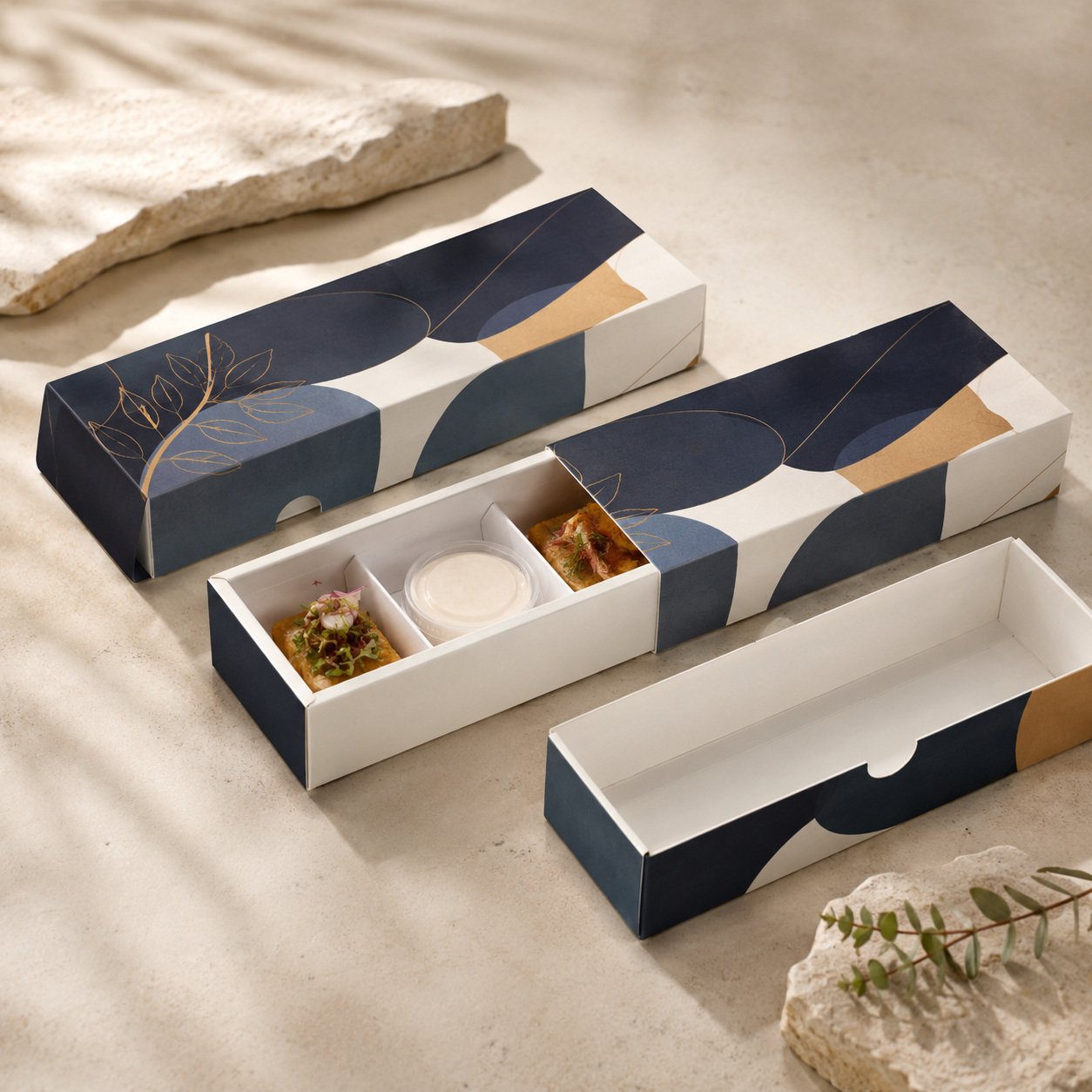
Choosing between print finishing options and better paper comes down to what your customer notices first and what wears out first. Paper weight drives the feel in the hand; finishes like matte or gloss lamination drive durability and surface look. Start with paper that meets the minimum stiffness the job needs, then spend what’s left on one deliberate finish.
Key takeaways
- Paper sets the first impression by touch (thickness, rigidity); the finish sets appearance and lifespan.
- A premium finish on flimsy stock still feels cheap. Fix the paper first.
- Matte or gloss lamination is often the most cost-effective way to upgrade both look and durability.
- The right split changes by product: business cards, boxes, folders and menus each favor a different side.
Why the paper-or-finish question keeps coming up
Most small businesses work with a fixed budget per print run. At checkout you face a stack of upgrades: heavier gsm, coated or uncoated stock, gloss or matte lamination, maybe spot UV. Every upgrade adds cost, so you have to choose. The common mistake is spreading the budget evenly across everything, which produces a piece that is average in every way and memorable in none.
A better approach is two questions: What will the customer notice first? What will fail first? The answers tell you where the extra riyal belongs.
Print finishes explained: what paper does vs. what finishing does
Paper is the foundation. Higher gsm adds rigidity and heft that people read instantly as quality. Coated stock makes colors crisper; uncoated stock feels natural and takes pen ink. A finish is a layer applied after printing. It protects the surface from scuffs and moisture, changes how light reflects, and adds texture.
| Upgrade | What it improves | What it can’t fix |
|---|---|---|
| Heavier paper (higher gsm) | Stiffness, premium feel, resistance to bending | Scuffs, fingerprints, fading with handling |
| Coated paper | Color vibrancy and image sharpness | Easy writing with a pen; natural texture |
| Matte lamination | Soft, low-glare surface; scratch protection | Thin stock that folds or curls |
| Gloss lamination | Punchier color, wipe-clean surface, moisture protection | Glare under bright lights; visible fingerprints |
| Spot UV | Glossy contrast on a logo or single element | Busy layouts with nothing worth highlighting |
For a sticker-specific breakdown of gloss, matte and spot UV, see our sticker finish guide.
When better paper is the smarter spend
- The piece is judged by weight in the hand. Business cards and thank-you cards lose credibility on thin stock, no matter how elegant the coating.
- The piece has to stand up or carry load. Boxes, presentation folders and table tents need rigidity as a function, not a luxury.
- People will write on it. Notebooks, planners and gift cards need the right uncoated paper more than any laminate that repels ink.
If you’re choosing stock for business stationery specifically, our paper and ink guide for stationery covers gsm and coated vs. uncoated in detail.
When print finishing options deliver more value
- High-touch pieces. Menus, table cards and folders get handled all day. Lamination keeps them clean and extends their life.
- Shipping and storage. Boxes rub against each other in cartons; a protective layer stops ink from scuffing off the edges.
- Humid coastal climates. In cities like Jeddah, a laminate helps paper keep its shape and resist moisture.
- Upgrading look without changing stock. If the paper already does its job, matte lamination usually adds a premium feel for less than jumping several gsm levels.
Quick decision framework by product
| Product | Spend first on | Suggested finish | Avoid |
|---|---|---|---|
| Business card | Paper (noticeable thickness) | Matte lamination; spot UV on the logo if offered | Thin stock with an expensive finish |
| Product or gift box | Board weight suited to the contents | Gloss or matte protective layer | Unprotected boxes in transit |
| Presentation folder | A balance of both | Matte lamination for a corporate look | High gloss in brightly lit meeting rooms |
| Restaurant or café menu | Finish first | Wipeable gloss or matte | Bare paper that absorbs stains |
| Notebook or planner | Inner page paper | Finish on the cover only | Laminated writing pages |
| Insert thank-you card | Paper | None, or light matte | Costly upgrades on a read-once piece |
Matte vs. gloss lamination: a brand decision, not just a price one
The cost gap between matte and gloss lamination is usually small, so let your brand decide. Calm, premium or neutral-toned brands suit matte: it cuts glare and gives dark colors depth. Bright, playful brands, kids’ products and confectionery benefit from gloss, which makes color pop. Watch two things: matte can show fingerprints on very dark solids, and gloss reflects strong retail lighting.
How ink behaves on different base papers, such as kraft, coated or white, is its own topic. We cover it in paper and ink combinations for packaging.
Common budget mistakes
- Stacking finishes. Gloss plus spot UV plus special edges on one piece competes for attention and inflates cost. One intentional finish hits harder.
- Upgrading what nobody sees. A box interior or a text-heavy card back rarely needs the same treatment as the front.
- Skipping the proof review. Matte slightly mutes saturation; gloss boosts it. Read your digital proof with the final finish in mind.
- Picking the finish before the paper. Decide stock by function first, then layer the finish.
How to stress-test your choice before a big run
If you can, print a small batch and use it the way customers will: pack it in a shipping carton, wipe it with a damp cloth, leave it in a humid spot for a day, handle it with less-than-clean hands. Whatever fails first is where your budget belongs. This simple test can save you a full reprint.
FAQ
What are the most common print finishing options for business print?
Lamination is the most common, in matte or gloss, and it protects the surface while improving appearance. Spot UV follows, used to highlight a single element such as a logo. Availability varies by printer, so check the finishing options listed on the product page before you design around one.
Is matte lamination more expensive than gloss?
Usually the difference is small, and many printers price them the same. So don’t let price decide between them. Choose by brand and use: matte for a calm, refined look with less glare, gloss for vivid color and easy wipe-down in restaurants and cafés.
Can a finish make up for thin paper?
No. A finish protects the surface and improves the look, but it adds very little stiffness. A card or box made from thin stock will still bend under the best laminate. Set the right paper weight for the job first, then add a finish for durability and appearance.
When should I skip finishing entirely?
Skip it when people will write on the piece, when it’s read once and filed away, or when the natural paper texture is part of your brand, as with kraft. In those cases, put the budget into better paper or a larger quantity instead.
Does a finish change my design’s colors?
Slightly. Matte lamination softens colors a little, while gloss deepens saturation and makes blacks look richer. Review your digital proof with the final finish in mind, and avoid very pale tones under matte if you want a vivid result.
Make the call with confidence
Planning business cards, boxes or folders? Browse the Paper-Ink shop to compare print finishing options product by product; many items list a gloss or matte protective layer. Every order comes with a free digital proof before production, our design team can prepare your files if needed, and we deliver across Saudi Arabia and the GCC, with free shipping on orders of SAR 250 or more.
